Websites age faster than most businesses realise. Design trends move, devices change, and the business itself grows into something the old website no longer describes.
A redesign is a significant investment, so it should not be done on a whim. But keeping an outdated website can cost you more in lost trust and missed enquiries. Here are seven signs it is time.
1. It looks dated next to your competitors
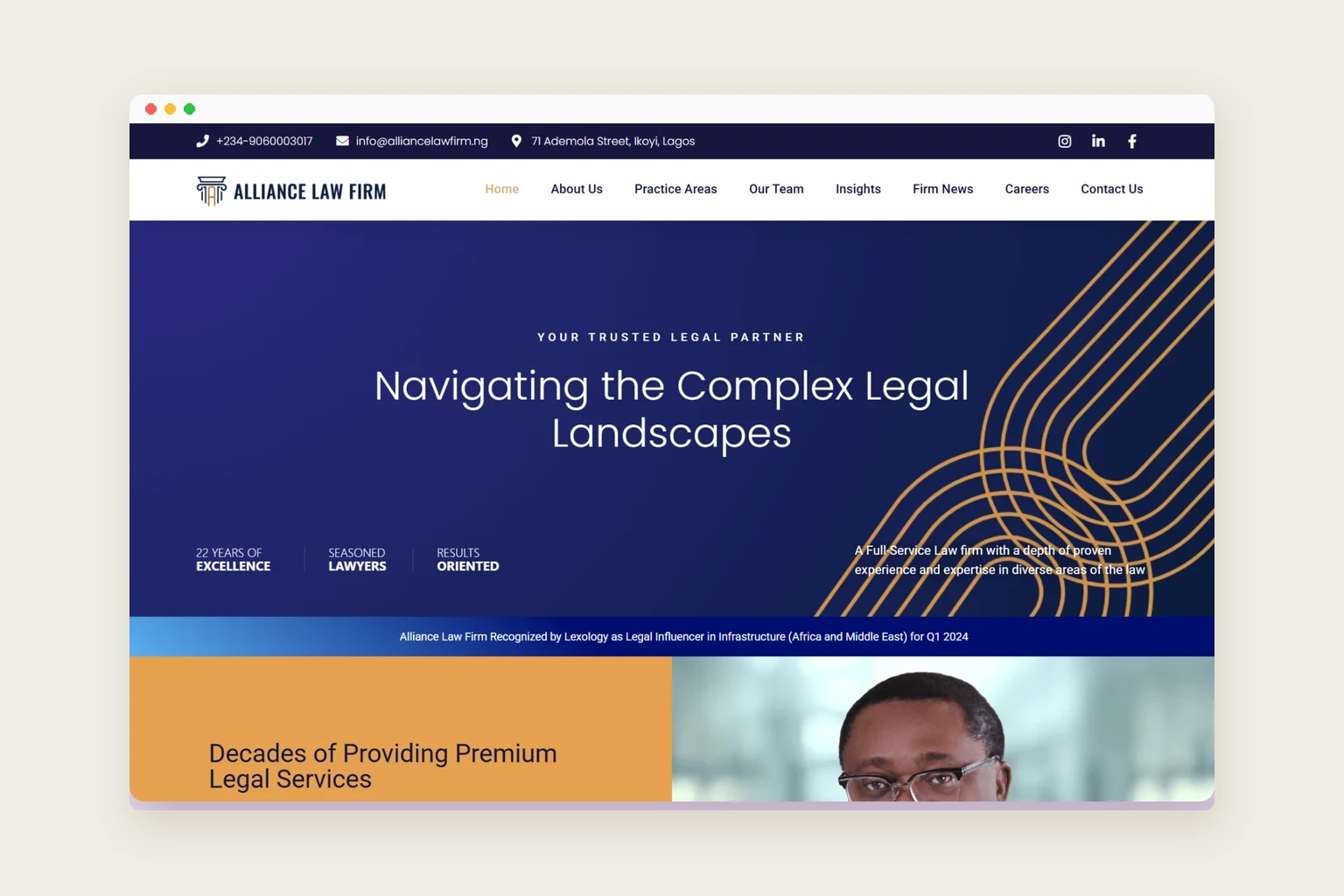
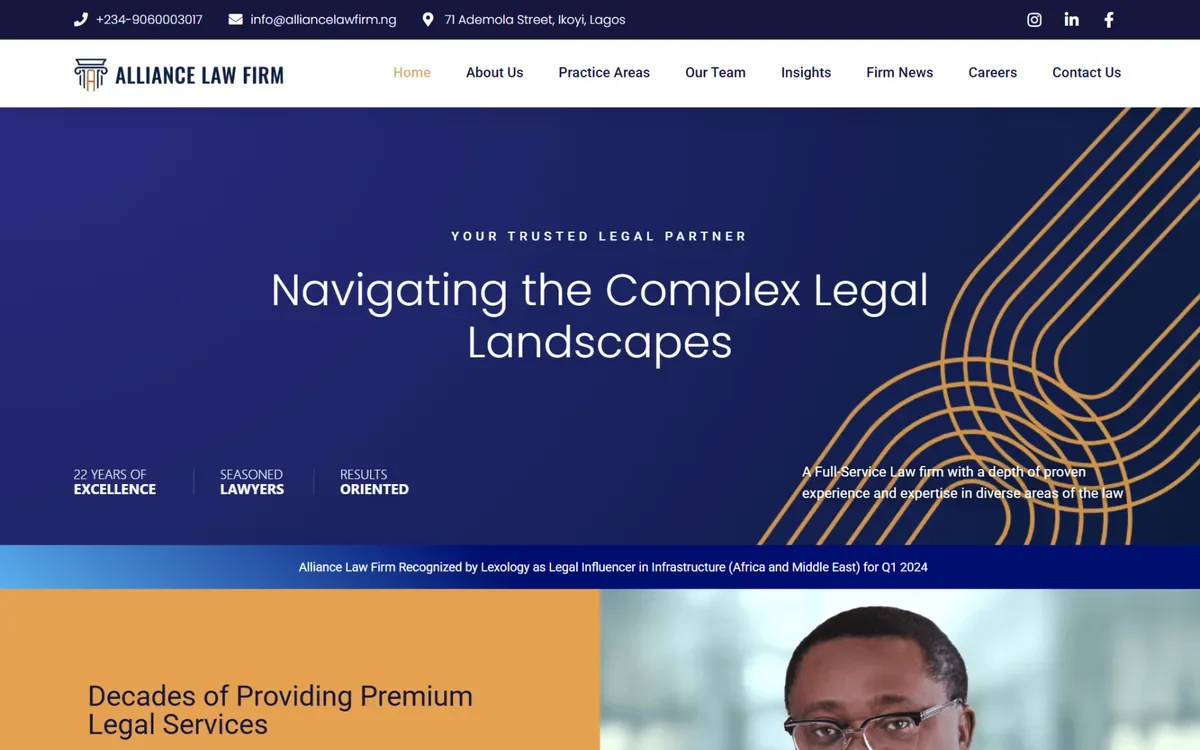
Visitors judge credibility in seconds, and they compare. If your competitors' websites look modern and yours looks like it was built a decade ago, people assume your service is out of date too, even when it is not.
People do not separate your website from your business. If one looks neglected, they assume the other is too.
2. It is hard to use on a phone
Open your website on your phone. Do you have to pinch and zoom? Are buttons too small to tap? Does the menu work? Most of your visitors are on mobile, and a site that frustrates them sends them straight to someone else.
3. It is slow
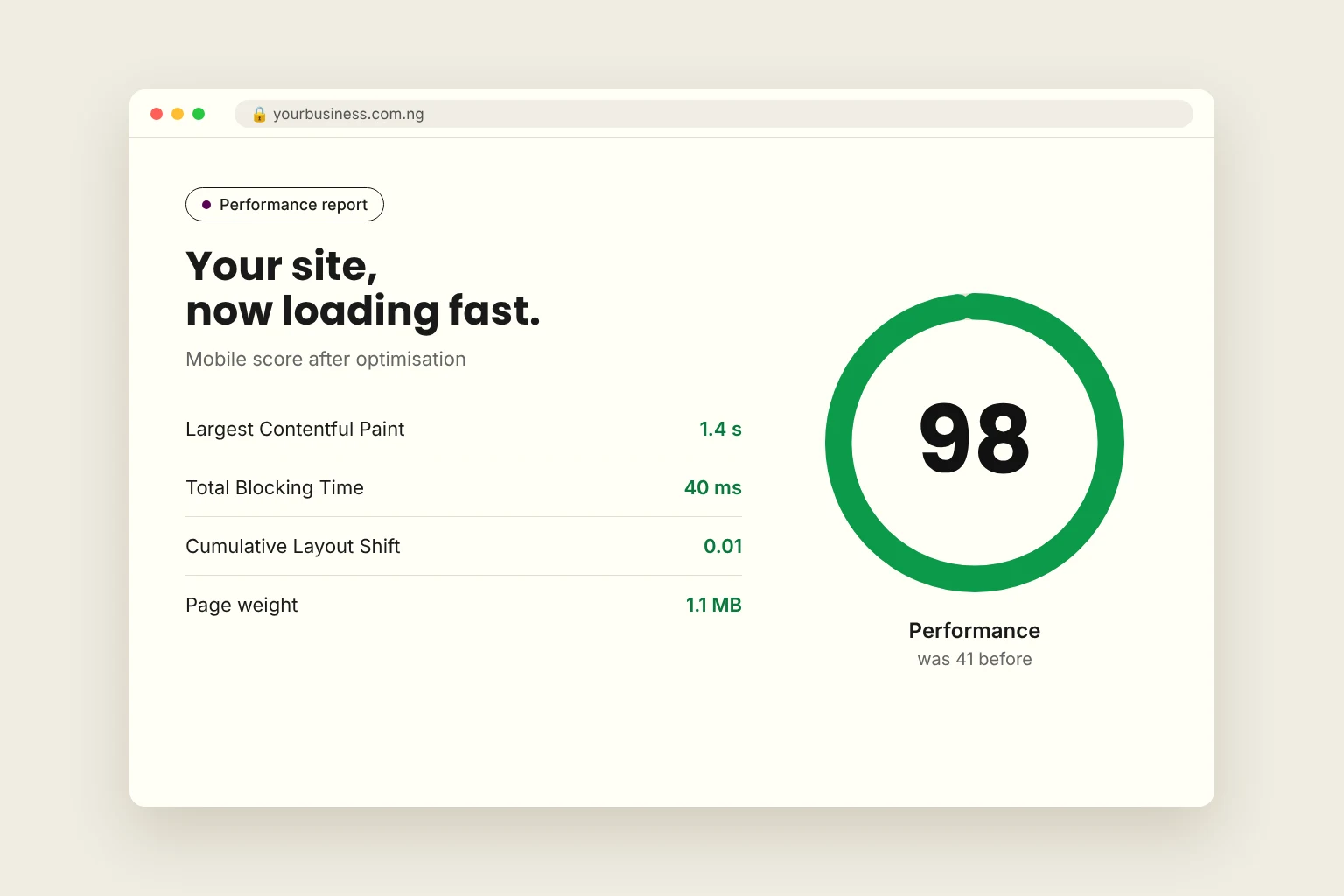
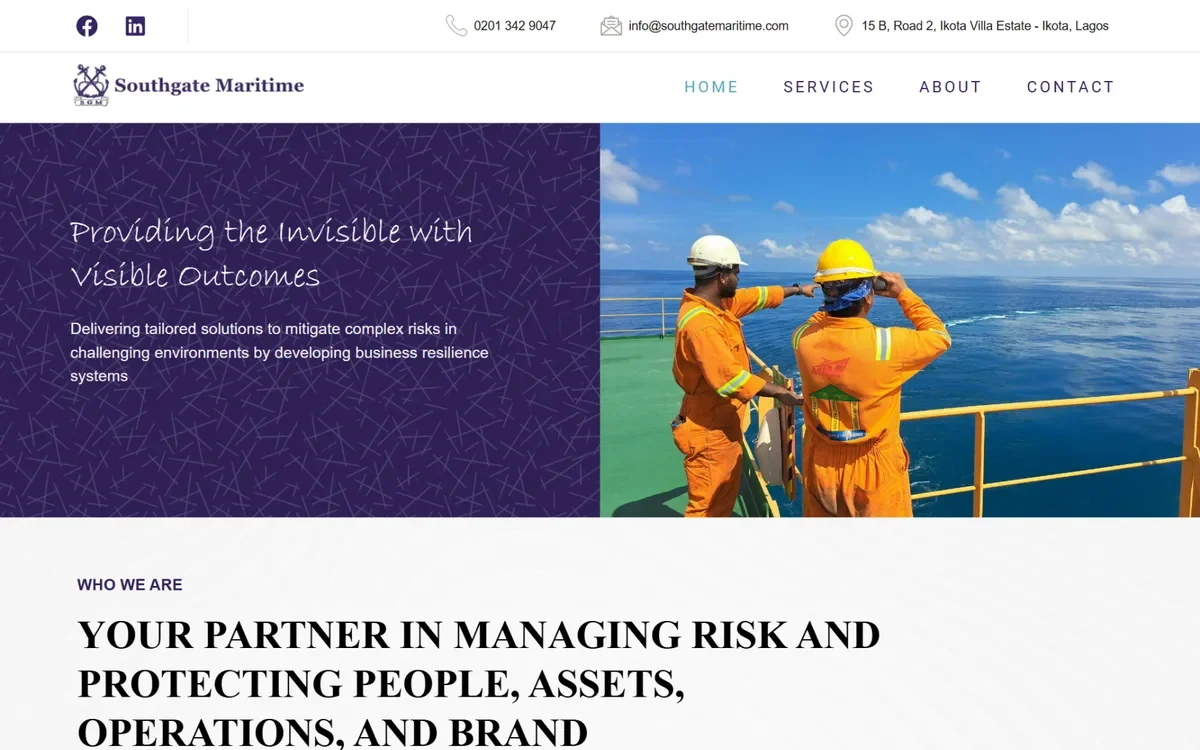
If pages take several seconds to appear, you are losing visitors before they see anything. Old themes, heavy images and years of added plugins are often the cause. Sometimes a speed fix is enough; sometimes the foundation is the problem.
4. You cannot update it yourself
If every small change needs a developer, your website falls behind your business. A redesign on a modern platform can give your team a simple way to update text, images, services and news.
5. It no longer describes what you do
Businesses evolve. New services, new markets, a new team or a new direction. If your website still describes the business you were three years ago, it is sending the wrong message to the people you want to reach now.
6. It does not bring in enquiries
A website should support your business, not just exist. If you get visitors but no calls, forms or bookings, the problem might be unclear messaging, weak calls to action or a confusing structure. A redesign is a chance to rebuild around what visitors actually need.
7. Your brand has changed
A new logo, new colours or a new name all need a website that matches. Mixing an updated brand with an old website looks inconsistent and confuses people.
How to redesign without losing what works
A redesign should improve your website, not reset it. Before you start:
- Measure where you are. Note your traffic, top pages, enquiries and search rankings.
- Keep what works. Identify the pages and content that bring in visitors and enquiries.
- Protect your search rankings. Keep page addresses where possible, and redirect any that change to their new location.
- Move your content carefully. Transfer posts, images and documents so nothing important is lost.
- Test before launch. Check every page, form and link on mobile and desktop.
Handled properly, a redesign can keep your existing search visibility while giving visitors a far better experience. Rushed, it can wipe out years of progress overnight.
- A dated, slow or hard-to-use site quietly costs you trust and enquiries.
- If your business or brand has changed, your website should too.
- Measure before you start and keep the pages that already work.
- Redirects and careful content migration protect your search rankings.
The bottom line
If you recognised your website in two or more of these signs, it is worth planning a redesign. Start with your goals, keep what already works, and build a site that reflects the business you are today.
Tell us about your business and we will recommend the right next step. The first consultation is free.